

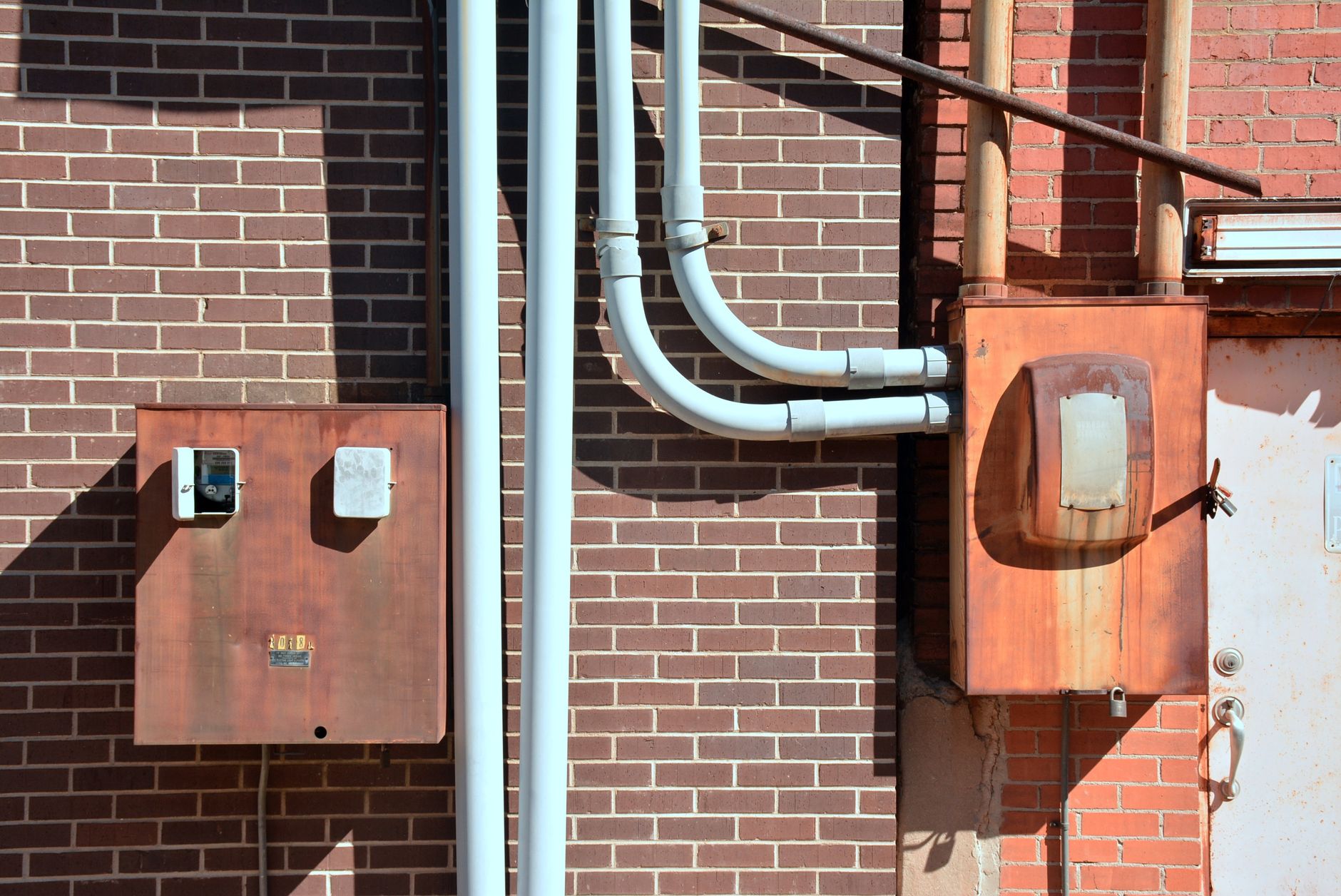
Across Texas, millions of homes and businesses now benefit from smart meters, advanced digital devices deployed by electric utilities over the past decade to modernize the state’s deregulated electricity market and empower consumers with real-time energy insights.
Understanding Smart Meters in Texas
Unlike traditional analog meters that only record cumulative electricity consumption, smart meters are electronic devices that measure energy use at regular intervals, typically every 15 minutes, and securely transmit this data wirelessly to the utility. This two-way communication system is a cornerstone of Texas’s advanced energy grid, designed to enhance efficiency and reliability.
The rollout of smart meters was a significant initiative following legislative changes, allowing competitive retail electric providers (REPs) and transmission and distribution utilities (TDUs) like Oncor, CenterPoint Energy, AEP Texas, and Texas-New Mexico Power to implement this technology. This infrastructure upgrade supports the Electric Reliability Council of Texas (ERCOT) market, which manages the flow of electric power to over 26 million Texans.
Benefits for Consumers and the Grid
For consumers, smart meters unlock unprecedented control over energy usage. They provide access to detailed consumption data through online portals, enabling informed decisions about energy habits and participation in time-of-use rate plans, which can lead to significant savings. Furthermore, smart meters facilitate quicker outage detection and restoration by automatically alerting utilities to power disruptions, often before customers even report them.
From a utility perspective, smart meters are critical for grid management. They allow for more accurate load forecasting, balance supply and demand more effectively, and identify potential grid issues proactively. This granular data helps maintain grid stability, especially crucial in Texas’s dynamic energy landscape with its growing integration of renewable energy sources.
Expert Insights and Future Implications
Industry experts emphasize that smart meters are foundational for the future of energy. “The data capabilities of smart meters are transforming how Texans interact with their electricity,” states a recent report from the Public Utility Commission of Texas (PUCT), highlighting their role in fostering innovation. This technology supports demand response programs, where consumers can opt-in to reduce usage during peak times in exchange for incentives, further stabilizing the grid.
Looking ahead, smart meters will continue to drive innovation in Texas’s energy sector. They pave the way for more sophisticated home energy management systems, facilitate the seamless integration of electric vehicles and rooftop solar, and support the development of a more resilient and responsive energy grid. Texans can anticipate even greater choice, control, and efficiency as this technology evolves.